
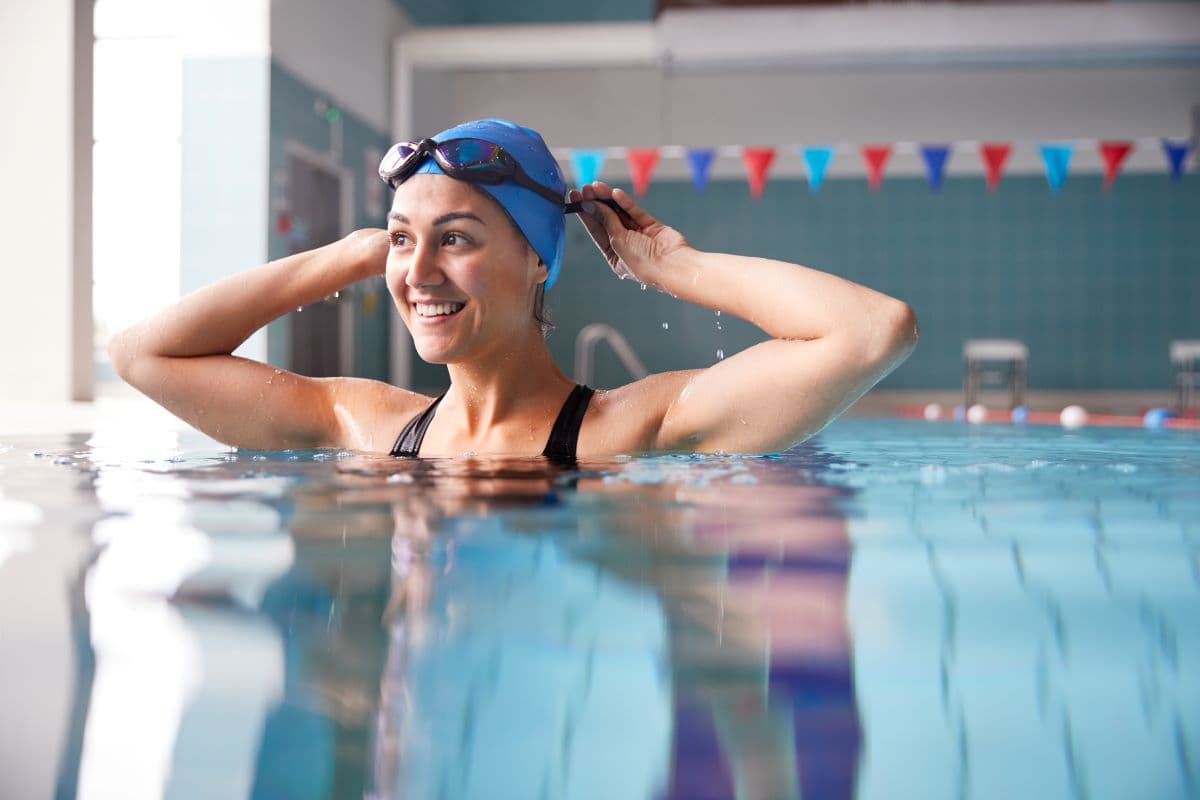
Many dedicated swimmers and aquatic fitness enthusiasts in London have raised concerns about whether regular exposure to chlorinated pool water could be causing their teeth to appear yellow or discoloured. This worry often stems from noticing changes in tooth colour after periods of intensive swimming training or frequent pool visits.
Understanding the relationship between chlorine exposure and tooth discolouration is important for maintaining optimal oral health whilst enjoying the numerous benefits of swimming. Chlorinated water can indeed affect your teeth, though the mechanisms and severity may vary depending on several factors including pool chemistry, exposure duration, and individual oral health status.
This article will explore the science behind chlorine's potential effects on dental enamel, examine the factors that contribute to tooth discolouration in swimmers, and provide practical guidance on protecting your oral health. We'll also discuss when it might be appropriate to seek professional dental assessment if you're experiencing concerning changes to your teeth's appearance following regular swimming activities.
Does Chlorine Water Cause Tooth Yellowing?
Chlorinated pool water can contribute to tooth discolouration, particularly when pools are improperly maintained with excessively high chlorine levels or incorrect pH balance, causing enamel erosion and surface staining over time.
How Chlorine Affects Tooth Enamel
Chlorine itself doesn't directly yellow teeth, but poorly balanced pool chemistry can create conditions that damage tooth enamel. When pool water becomes too acidic (low pH) combined with high chlorine concentrations, it can temporarily soften the outer layer of tooth enamel, making it more susceptible to erosion and staining.
The process occurs gradually through repeated exposure. Each time you swim in improperly balanced water, microscopic amounts of enamel may be weakened. This compromised enamel surface can then more readily absorb stains from foods, drinks, or other environmental factors, leading to a yellowed appearance over time.
Competitive swimmers who spend several hours daily in pools may experience more pronounced effects, particularly if training in facilities where water chemistry isn't consistently monitored. The combination of prolonged exposure and mouth breathing during intensive exercise can increase contact time between chlorinated water and tooth surfaces.
Understanding Pool Chemistry and Dental Health
Properly maintained swimming pools should have a pH level between 7.2 and 7.6, which is close to neutral and shouldn't cause significant dental problems. However, many pools, particularly during busy periods, can develop chemical imbalances that create more acidic conditions.
When pool pH drops below 7.0, the water becomes acidic enough to begin affecting tooth enamel. Combined with chlorine levels that are too high, this creates an environment that can gradually wear away the protective outer layer of teeth. Public pools, hotel pools, and some private facilities may occasionally experience these chemical fluctuations.
The protective capacity of saliva also plays a crucial role. During swimming, especially when breathing through the mouth, saliva production may be reduced, removing one of your mouth's natural defence mechanisms against acid erosion.
Additional Factors Contributing to Swimmer's Teeth Discolouration
Beyond direct chlorine exposure, several related factors can contribute to tooth yellowing in regular swimmers. Dehydration, common during intensive swimming sessions, reduces saliva flow and its protective benefits. Many swimmers also consume sports drinks before, during, or after training, which contain acids and sugars that can further compromise enamel.
Post-swimming eating habits may also play a role. If tooth enamel has been temporarily softened by pool exposure, consuming acidic or staining foods and beverages immediately after swimming could increase the risk of discolouration.
Some swimmers develop a habit of mouth breathing, both in and out of the water, which can lead to dry mouth conditions that reduce the natural cleansing and protective action of saliva throughout the day.
Protecting Your Teeth During Swimming
Several practical measures can help minimise the risk of chlorine-related tooth discolouration. Before swimming, consider rinsing your mouth with plain water to ensure adequate hydration. Some dental professionals suggest using a fluoride mouth rinse before entering the pool to help strengthen enamel temporarily.
During swimming sessions, try to minimise the amount of pool water that enters your mouth. While this isn't always possible, being conscious of it can help reduce overall exposure. If you're training intensively, consider taking brief breaks to rinse with plain water.
After swimming, avoid brushing your teeth immediately. If enamel has been temporarily softened, brushing within 30-60 minutes could potentially cause more harm. Instead, rinse thoroughly with plain water and wait at least an hour before brushing with fluoride toothpaste.
When to Seek Professional Dental Assessment
Consider booking a professional consultation if you notice persistent yellowing or discolouration that doesn't improve with modified swimming habits and enhanced oral hygiene. Professional assessment becomes particularly important if you experience increased tooth sensitivity, rough or pitted enamel surfaces, or pain when consuming hot or cold foods and drinks.
Regular swimmers should also consider more frequent dental check-ups to monitor enamel health and catch any early signs of erosion before they become significant problems. Your dentist can provide personalised advice based on your swimming routine and individual risk factors.
If you're concerned about existing tooth discolouration, professional teeth whitening treatments may help restore your smile's appearance whilst addressing any underlying enamel concerns.
Maintaining Oral Health as a Regular Swimmer
Beyond immediate protective measures, maintaining excellent general oral hygiene becomes even more important for regular swimmers. Use fluoride toothpaste twice daily to help strengthen enamel, and consider using a fluoride mouth rinse as part of your routine.
Stay well-hydrated throughout the day to maintain optimal saliva production. Limit acidic and sugary beverages, particularly immediately before and after swimming sessions. If you do consume sports drinks, use a straw to minimise contact with teeth.
Regular dental hygiene appointments for professional cleaning and preventive dental care can help remove any surface stains before they become permanent and ensure your oral health remains optimal despite regular chlorine exposure.
Key Points to Remember
- Properly balanced pool water shouldn't significantly affect tooth enamel
- Acidic pool conditions combined with high chlorine can contribute to enamel erosion and yellowing
- Protective measures include pre and post-swimming mouth rinsing and delayed brushing
- Regular swimmers may benefit from more frequent dental check-ups
- Professional assessment is recommended for persistent discolouration or sensitivity
- Maintaining excellent oral hygiene becomes particularly important for frequent pool users
Frequently Asked Questions
Can I prevent chlorine damage to my teeth completely?
While you cannot eliminate all exposure risks, proper protective measures and good oral hygiene can significantly reduce the likelihood of chlorine-related tooth problems. Choosing well-maintained pools with properly balanced water chemistry also helps minimise risk.
How long after swimming should I wait to brush my teeth?
Wait at least 30-60 minutes after swimming before brushing to allow any temporarily softened enamel to re-harden. Rinsing with plain water immediately after swimming is beneficial and safe.
Are some people more susceptible to chlorine-related tooth damage?
Yes, individuals with naturally thinner enamel, existing dental erosion, or reduced saliva production may be more vulnerable. Those with gastric reflux or consuming frequent acidic foods and drinks may also face increased risk.
Will switching to saltwater pools solve the problem?
Saltwater pools still use chlorine generated through electrolysis, so they're not chlorine-free. However, they often maintain more stable chemistry and may be gentler on teeth, though individual experiences vary.
Can professional treatments reverse chlorine-related tooth yellowing?
Professional whitening treatments for sensitive teeth can often improve the appearance of chlorine-related discolouration. However, if significant enamel damage has occurred, other restorative treatments might be necessary to fully restore tooth appearance and function.
Should competitive swimmers take special precautions?
Competitive swimmers with high training volumes should be particularly vigilant about oral health. Consider discussing preventive strategies with both your dental professional and coach to develop a routine that protects your teeth whilst maintaining training effectiveness.
Conclusion
Understanding the relationship between chlorine exposure and tooth discolouration empowers swimmers to take appropriate protective measures whilst continuing to enjoy the health benefits of aquatic exercise. While properly maintained pools pose minimal risk to dental health, awareness of potential issues and implementation of preventive strategies can help maintain both your swimming routine and oral health.
The key lies in balancing your swimming activities with enhanced oral hygiene practices and being mindful of pool conditions when possible. Regular dental monitoring ensures any early signs of enamel changes can be addressed promptly, preserving your dental health for years to come.
Disclaimer: This article is for general educational purposes only and is not personalised dental advice. Suitability, risks, and outcomes vary by patient. Teeth whitening is not suitable for under-18s, and no specific result is guaranteed. Always consult a GDC-registered dental professional after a clinical examination. Care Quality Commission (CQC) registration details for our clinics are available on this website.
Ready to Transform Your Smile?
Book your appointment today to discuss treatment options suitable for your smile goals.
Book Now