
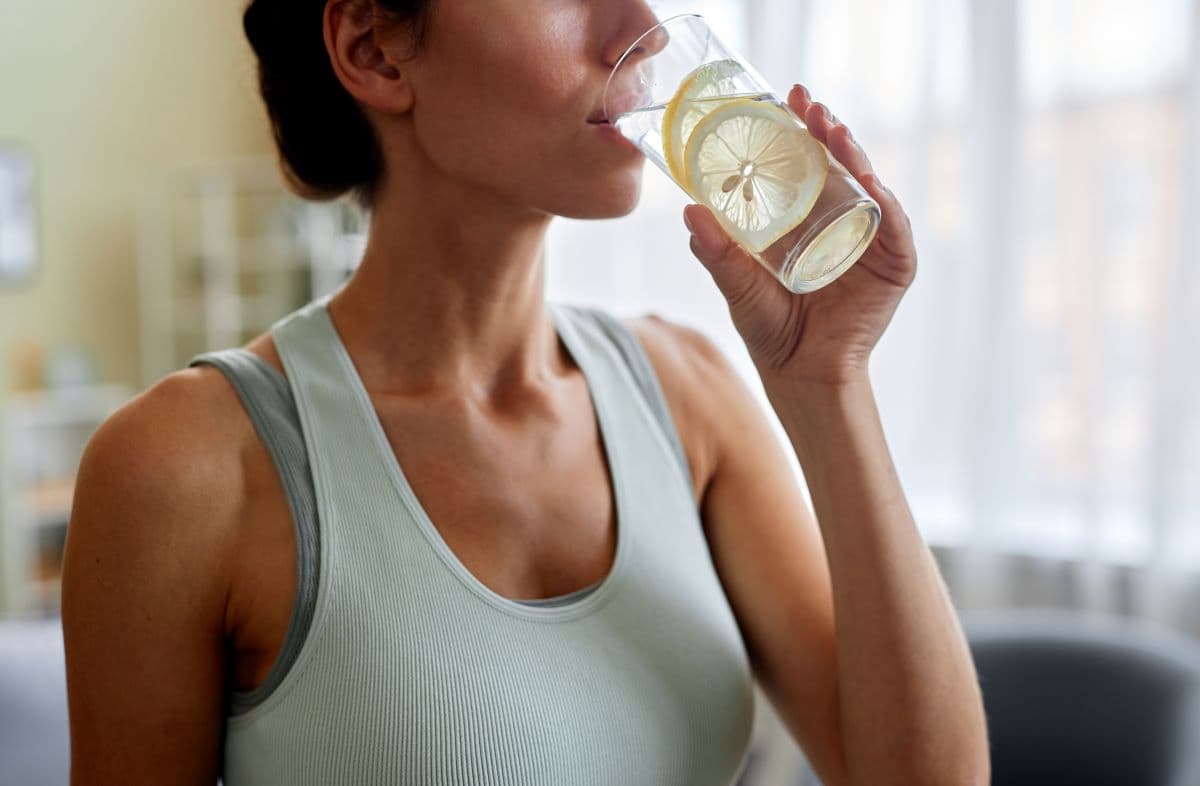
Many patients who have undergone teeth whitening treatment often wonder about their dietary choices, particularly when it comes to acidic beverages like lemon water. This common concern stems from the desire to maintain whitening results whilst continuing healthy lifestyle habits.
Understanding how acidic drinks interact with newly whitened teeth is crucial for preserving your investment in professional dental treatment. After teeth whitening, tooth enamel may be temporarily more porous and potentially susceptible to staining and acid erosion. This heightened sensitivity period requires careful consideration of what you consume.
This article will explore the relationship between lemon water consumption and teeth whitening aftercare, examining the science behind enamel protection and providing practical guidance for maintaining your bright smile. We'll discuss the clinical considerations, timing recommendations, and protective measures that can help you enjoy your favourite beverages whilst safeguarding your oral health. Professional dental advice should always be sought for personalised aftercare recommendations following any whitening treatment.
Quick Answer: Lemon Water After Teeth Whitening
Can I drink lemon water after teeth whitening?
It's advisable to avoid lemon water for 24-48 hours after teeth whitening as the acidic content may interact with temporarily sensitised enamel. When resuming consumption, use protective measures such as drinking through a straw and rinsing with water afterwards.
How Teeth Whitening Affects Enamel Temporarily
Professional teeth whitening treatments work by using peroxide-based compounds to break down stains within the tooth structure. During this process, the enamel's microscopic pores temporarily open to allow the whitening agents to penetrate and remove discolouration. This process can leave teeth feeling more sensitive and potentially more vulnerable to external influences for a short period.
The temporary porosity of enamel following whitening means that substances you consume can have a more pronounced effect than usual. Acidic beverages, in particular, may interact more readily with the tooth surface during this heightened sensitivity period. Understanding this temporary change helps explain why dental professionals typically provide specific dietary guidance following whitening treatments.
Most patients experience this increased sensitivity for 24 to 72 hours after treatment, during which time careful attention to dietary choices can help optimise comfort and results. The enamel naturally remineralises and returns to its normal state relatively quickly when proper oral hygiene is maintained.
The Science Behind Citric Acid and Tooth Enamel
Citric acid, naturally present in lemons, has a pH level of approximately 2.0, making it quite acidic. When consumed regularly or in high concentrations, acidic substances can contribute to enamel demineralisation—a process where minerals are temporarily drawn from the tooth surface. This natural process becomes concerning only when it occurs frequently without adequate recovery time.
Tooth enamel consists primarily of hydroxyapatite crystals, which can be affected by prolonged exposure to acidic environments. The mouth's natural buffering system, primarily through saliva production, typically neutralises acid within 30-60 minutes of consumption. However, frequent acid exposure or consumption during periods of reduced saliva production can overwhelm this natural protective mechanism.
The key consideration is not necessarily avoiding acidic foods entirely, but rather understanding how timing, frequency, and protective measures can minimise any potential impact on dental health. A structured teeth whitening treatment plan is designed to be safer when appropriate aftercare guidance is followed.
Recommended Timing for Consuming Acidic Beverages
Following professional teeth whitening, most dental professionals recommend avoiding highly acidic foods and beverages for the first 24 to 48 hours. This precautionary period allows the enamel to stabilise and any temporary sensitivity to subside. During this time, focusing on neutral or alkaline foods and beverages can support the natural remineralisation process.
After the initial sensitivity period, acidic beverages like lemon water can typically be reintroduced gradually. The timing of consumption within your daily routine can also influence the impact on dental health. Consuming acidic drinks with meals, rather than sipping throughout the day, reduces the frequency of acid exposure and allows saliva production to neutralise pH levels more effectively.
Morning consumption of lemon water, followed by breakfast and regular oral hygiene routine, is generally preferable to evening consumption when saliva production naturally decreases during sleep. Individual tolerance may vary, and some patients may find certain timing patterns work better for their comfort and oral health maintenance.
Protective Measures When Drinking Lemon Water
Several practical strategies can help minimise the potential impact of acidic beverages on dental health, particularly following whitening treatments. Using a straw directs the liquid past the front teeth, reducing direct contact with the enamel surface. Positioning the straw towards the back of the mouth can further limit exposure to whitened teeth.
Rinsing with plain water immediately after consuming lemon water helps dilute residual acid and supports the mouth's natural pH balance restoration. However, brushing teeth immediately after acid consumption is not recommended, as temporarily softened enamel may be more susceptible to mechanical wear. Waiting at least 30-60 minutes before brushing allows the enamel to reharden naturally.
Consuming lemon water quickly rather than sipping slowly reduces the duration of acid exposure. Adding the lemon juice to a larger volume of water also dilutes the acidity whilst maintaining the flavour and potential health benefits many people seek from this beverage choice.
Signs That May Indicate Professional Assessment
Persistent tooth sensitivity beyond the expected 48-72 hour period following whitening treatment may warrant professional evaluation. Similarly, if consuming acidic beverages consistently causes discomfort, this could indicate that personalised dietary guidance would be beneficial. Sharp, shooting pains or sensitivity to temperature changes that interfere with daily activities should be assessed professionally.
Changes in tooth appearance, such as increased transparency or visible white spots, following whitening treatment should be evaluated by a dental professional. These changes are uncommon with professional treatments but may occasionally occur, particularly if aftercare instructions are not followed appropriately.
Any concerns about the interaction between dietary choices and dental treatments are best addressed through direct consultation with your treating dentist, who can provide guidance based on your specific treatment and oral health status.
Long-term Oral Health Considerations
Maintaining optimal oral health following teeth whitening involves balancing lifestyle preferences with protective dental care practices. Regular dental hygiene, including fluoride toothpaste use and consistent cleaning routines, supports enamel health regardless of dietary choices. Professional dental hygiene appointments also play a crucial role in long-term oral health maintenance.
The occasional consumption of acidic beverages within a balanced diet is unlikely to cause significant dental health concerns when appropriate protective measures are employed. However, frequent consumption without protective strategies may contribute to gradual enamel wear over time, potentially affecting the longevity of whitening results.
Understanding your individual risk factors, such as existing enamel wear, dry mouth conditions, or gastric reflux, can help inform personalised dietary and oral care decisions. These factors may influence how acidic beverages affect your specific oral health situation.
If you're building a post-whitening diet, compare this advice with coconut water after whitening, energy drinks after whitening, and spicy food after whitening.
Key Points to Remember
- Avoid highly acidic beverages for 24-48 hours immediately following teeth whitening treatment
- Use protective measures such as straws and water rinsing when consuming lemon water
- Wait 30-60 minutes after consuming acidic drinks before brushing teeth
- Consume acidic beverages quickly rather than sipping slowly throughout the day
- Monitor for persistent sensitivity that may require professional assessment
- Maintain regular oral hygiene routines to support long-term enamel health
Frequently Asked Questions
How long should I wait to drink lemon water after teeth whitening?
Most dental professionals recommend waiting 24-48 hours before consuming acidic beverages like lemon water after professional teeth whitening. This allows the temporary enamel porosity to stabilise and reduces the risk of sensitivity or interaction with the whitening treatment.
Can lemon water reverse my teeth whitening results?
Lemon water consumed occasionally with protective measures is unlikely to significantly affect whitening results. However, frequent consumption without precautions may contribute to gradual staining over time, as acidic environments can make teeth more susceptible to pigment absorption from other foods and beverages.
What's the best way to drink lemon water without damaging my teeth?
Use a straw positioned towards the back of your mouth, drink the beverage quickly rather than sipping slowly, and rinse with plain water immediately afterwards. Wait at least 30 minutes before brushing your teeth to allow enamel to reharden naturally.
Is warm or cold lemon water better for my teeth after whitening?
Cold lemon water may be more comfortable if you're experiencing post-whitening sensitivity, as temperature extremes can trigger discomfort. From an enamel protection perspective, the temperature is less important than the protective measures you employ while drinking.
Should I use a special toothpaste after drinking lemon water?
Fluoride toothpaste helps support enamel remineralisation after acid exposure. Some patients benefit from using toothpaste designed for sensitive teeth following whitening treatment. Your dentist can recommend appropriate products based on your individual needs and treatment response.
Can I add anything to lemon water to make it less harmful to my teeth?
Diluting lemon juice in a larger volume of water reduces acidity levels whilst maintaining flavour. Some people add a small amount of baking soda to neutralise acid, though this changes the taste significantly and should be used sparingly to avoid excessive sodium intake.
Conclusion
The relationship between lemon water consumption and teeth whitening aftercare requires thoughtful consideration rather than complete avoidance. Understanding the science behind acid-enamel interactions empowers patients to make informed decisions about their dietary choices following dental treatment. With appropriate timing, protective measures, and awareness of individual sensitivity, most people can safely enjoy lemon water whilst maintaining their whitening results.
The temporary nature of post-whitening sensitivity means that these precautions are primarily relevant for the first few days following treatment. Long-term oral health success depends more on consistent protective practices and regular professional care than on eliminating specific beverages entirely.
Professional guidance remains invaluable for personalised aftercare recommendations, particularly for patients with specific oral health considerations or those experiencing unexpected sensitivity. Dental symptoms and treatment options should always be assessed individually during a clinical examination.
Disclaimer: This article is for general educational purposes only and is not personalised dental advice. Suitability, risks, and outcomes vary by patient. Teeth whitening is not suitable for under-18s, and no specific result is guaranteed. Always consult a GDC-registered dental professional after a clinical examination. Care Quality Commission (CQC) registration details for our clinics are available on this website.
Ready to Transform Your Smile?
Book your appointment today to discuss treatment options suitable for your smile goals.
Book Now