
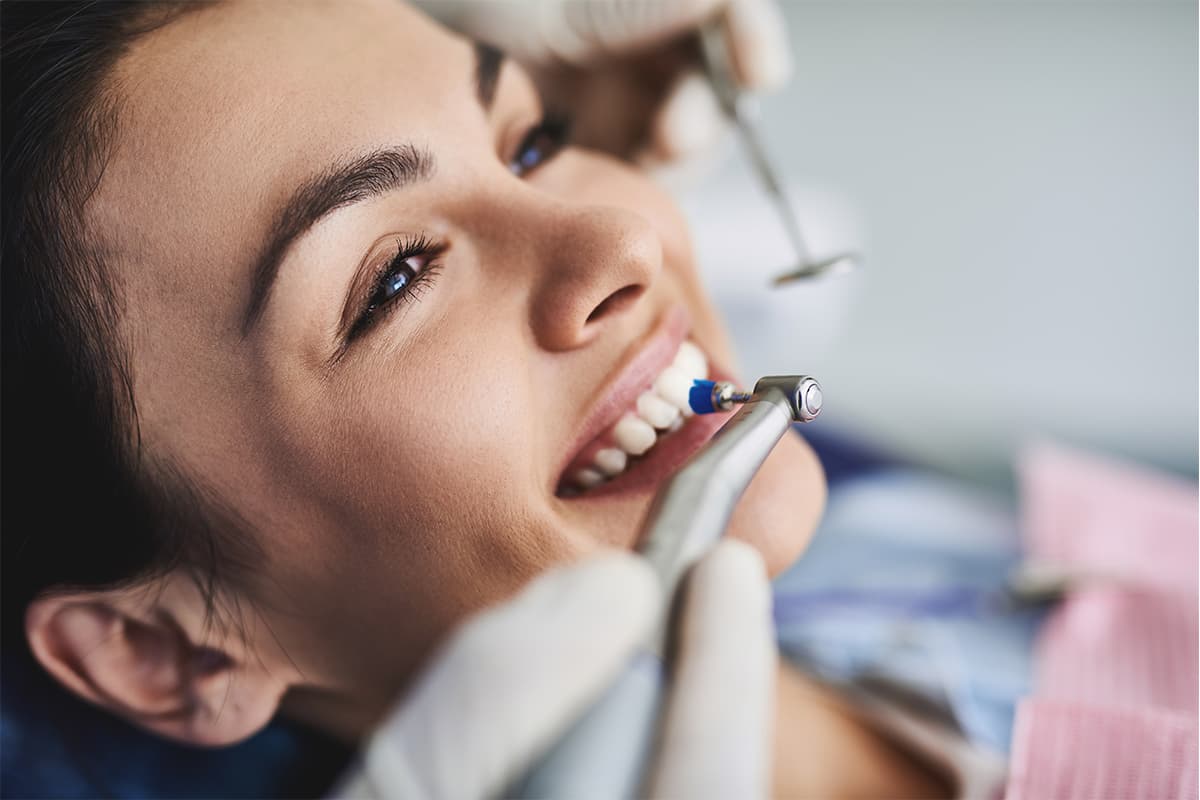
"How long will my whitening last?" It's the question we hear most often from patients considering teeth whitening. The honest answer? It depends. But with the right knowledge and maintenance routine, you can enjoy your brighter smile for years rather than months. Here's everything you need to know.
Average Whitening Longevity by Treatment Type
Different whitening methods produce results that last varying lengths of time:
Professional In-Office Whitening
Typical duration: 1-3 years
Professional laser or light-activated whitening provides the most dramatic and longest-lasting results. The professional-strength formulas penetrate deeper into the enamel, providing more thorough stain removal that takes longer to reverse.
Professional Take-Home Trays
Typical duration: 1-2 years
Custom trays with professional-grade gel offer excellent longevity. A key advantage is the ability to easily top up your results at home, effectively extending the duration indefinitely with periodic touch-ups.
Over-the-Counter Strips
Typical duration: 3-6 months
Lower concentrations mean shallower penetration and faster fading. Results from OTC products require more frequent maintenance.
Whitening Toothpaste
Typical duration: Only while using
Whitening toothpastes primarily remove surface stains and don't change the intrinsic colour of teeth. Any "whitening" effect disappears when you stop using the product.
Factors That Affect How Long Results Last
Your individual results depend on several lifestyle and biological factors:
1. Diet and Drink Habits
This is the biggest factor in how quickly your teeth re-stain:
High-Impact Staining (frequent consumption significantly shortens results):
- Coffee — Multiple cups daily can halve your whitening longevity
- Tea — Contains more tannins than coffee; black tea is worst
- Red wine — Chromogens and tannins create stubborn stains
- Cola and dark fizzy drinks — Colour plus acidity is a double threat
- Curry and turmeric — Powerful natural dyes
- Berries — Blueberries, blackberries, pomegranates
- Soy sauce and balsamic vinegar — Concentrated colour
Moderate-Impact Staining:
- Tomato-based sauces
- Dark chocolate
- Beetroot
- Coloured sports drinks
2. Tobacco Use
Smoking or chewing tobacco is the fastest way to undo your whitening results. Tar and nicotine create deep, persistent stains that can discolour teeth within weeks of treatment. If you smoke, expect results to last 3-6 months at best without touch-ups.
3. Oral Hygiene
Good oral hygiene significantly extends whitening results:
- Brushing twice daily removes staining substances before they set
- Flossing prevents discolouration between teeth
- Regular dental cleanings remove surface stains professionally
Poor oral hygiene can halve the lifespan of your whitening results.
4. Natural Tooth Characteristics
Some factors are beyond your control:
- Enamel porosity: More porous teeth stain faster but also whiten more easily
- Natural tooth colour: Some people's teeth are naturally more yellow and may re-stain faster
- Age: Enamel thins with age, revealing more of the yellowish dentin beneath
- Genetics: Some people simply have teeth that hold whiteness better than others
5. Type of Original Staining
- Extrinsic stains (from food, drink, tobacco) — Whitening lasts longer as these are surface-level
- Intrinsic stains (from medications, trauma, fluorosis) — May re-appear faster or never fully resolve
Expert Maintenance Tips to Extend Your Results
Follow these professional recommendations to maximise your whitening longevity:
Tip 1: Master the First 48 Hours
Your teeth are most vulnerable to staining immediately after whitening. The "white diet" rule applies:
- Eat only foods that wouldn't stain a white shirt
- Avoid all staining foods and drinks completely
- No smoking whatsoever
- Skip coloured mouthwash
This critical window sets the foundation for long-lasting results.
Tip 2: Rinse Immediately After Staining Foods
When you do consume staining substances:
- Rinse your mouth with water immediately after
- Swish vigorously for 30 seconds
- This removes pigments before they can bond to enamel
This simple habit alone can add months to your results.
Tip 3: Use a Straw
For cold staining beverages (iced coffee, cola, fruit juice):
- Drink through a straw to bypass front teeth
- Position the straw towards the back of your mouth
- This significantly reduces contact with visible teeth
Tip 4: Time Your Coffee Strategically
If you can't give up coffee:
- Have your coffee in one sitting rather than sipping throughout the day
- Constant exposure is worse than concentrated consumption
- Rinse with water afterwards
- Consider drinking with breakfast when you'll brush soon after
Tip 5: Don't Brush Immediately After Acidic Foods
Wait 30 minutes before brushing after consuming acidic foods or drinks. Acid temporarily softens enamel, and brushing immediately can cause wear. Rinse with water first, then brush later.
Tip 6: Schedule Regular Hygiene Appointments
Professional cleanings every 6 months:
- Remove surface stains that accumulate over time
- Polish teeth to a brighter finish
- Prevent tartar buildup that causes yellowing
- Allow your dentist to assess your whitening maintenance needs
Tip 7: Use Whitening Toothpaste Strategically
Whitening toothpaste can help maintain (not create) whiteness:
- Use 2-3 times per week, not daily
- Choose products with the British Dental Association seal
- Avoid highly abrasive formulas
- Alternate with regular fluoride toothpaste
Tip 8: Keep Your Take-Home Trays
If you received custom whitening trays:
- Store them safely — they last for years
- Purchase top-up gel from your dentist as needed
- A single touch-up session every 6-12 months maintains results
- This is far more economical than repeat full treatments
Tip 9: Consider Touch-Up Treatments
Plan for maintenance:
- Take-home trays: Brief top-up every 6-12 months
- In-office touch-up: Shorter, less intensive session annually
- Touch-ups are quicker and less expensive than starting over
Tip 10: Address Lifestyle Factors
For maximum longevity:
- Quit smoking — nothing else will make as much difference
- Reduce (don't necessarily eliminate) high-staining foods
- Stay hydrated — saliva helps protect against staining
- Consider switching from black tea to green or white tea
Realistic Expectations by Lifestyle
Here's what to realistically expect based on your habits:
Best Case: 2-3+ Years
- Non-smoker
- Minimal coffee/tea consumption
- Excellent oral hygiene
- Regular dental cleanings
- Occasional touch-ups
Average Case: 1-2 Years
- Non-smoker
- Moderate coffee/tea consumption with rinsing
- Good oral hygiene
- Regular dental cleanings
Challenging Case: 6-12 Months
- Heavy coffee/tea/wine consumption
- Smoker
- Inconsistent oral hygiene
- Infrequent dental visits
Signs It's Time for a Touch-Up
Consider refreshing your whitening when you notice:
- Gradual yellowing or dulling of your teeth
- Your teeth look noticeably different from post-whitening photos
- Visible staining on front teeth
- You have an important event coming up
- It's been 12+ months since your last treatment
The Economics of Maintenance
Investing in maintenance is more cost-effective than repeated full treatments:
- Full professional whitening: £400-£700
- Take-home top-up gel (per syringe): £15-£30
- In-office touch-up: £150-£250
Patients who maintain with take-home trays often spend less than £100 per year to keep their smile bright, versus £400+ for those who wait until they need full retreatment.
Common Mistakes That Shorten Results
Avoid these pitfalls:
- Ignoring the 48-hour rule: Staining during this window is hard to reverse
- Thinking one treatment lasts forever: All whitening requires maintenance
- Over-whitening: Excessive whitening doesn't last longer and can cause damage
- Using abrasive products daily: Damages enamel, making teeth MORE prone to staining
- Skipping dental cleanings: Professional cleaning is essential for maintenance
- Waiting too long for touch-ups: Small touch-ups are easier than major corrections
The Bottom Line
Professional teeth whitening can last anywhere from several months to several years — and you have significant control over where in that range your results fall. The key factors are:
- Your lifestyle choices — especially smoking and consumption of staining substances
- Your oral hygiene routine — consistent brushing, flossing, and rinsing
- Professional maintenance — regular cleanings and periodic touch-ups
With smart habits and a maintenance plan, there's no reason you can't enjoy a bright, white smile for years to come.
Ready to discuss a whitening and maintenance plan tailored to your lifestyle? Book a consultation at our South Kensington clinic and we'll help you achieve — and keep — the smile you want.
Disclaimer: This article is for general educational purposes only and is not personalised dental advice. Suitability, risks, and outcomes vary by patient. Teeth whitening is not suitable for under-18s, and no specific result is guaranteed. Always consult a GDC-registered dental professional after a clinical examination. Care Quality Commission (CQC) registration details for our clinics are available on this website.
Ready to Transform Your Smile?
Book your appointment today to discuss treatment options suitable for your smile goals.
Book Now