
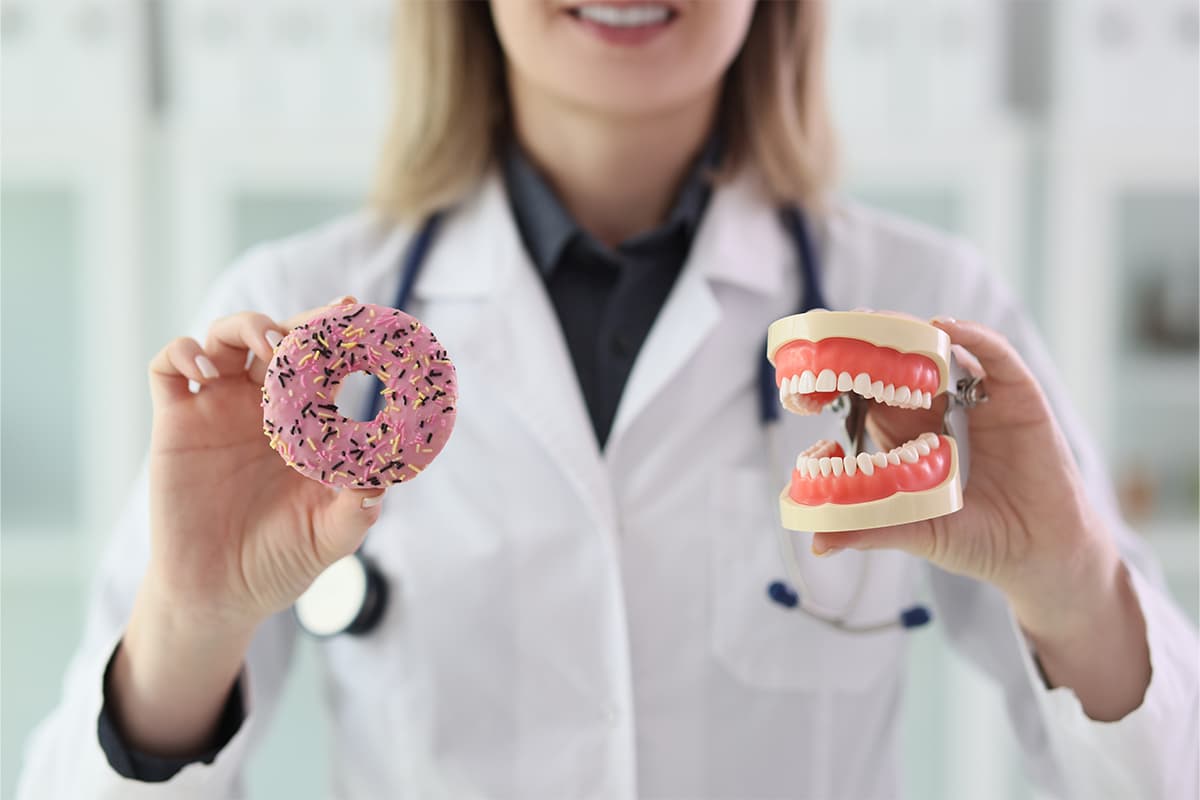
A bright, white smile is often associated with good health, confidence, and positive first impressions. While daily brushing and flossing are essential for oral hygiene, many people are unaware that their diet plays a major role in the colour of their teeth. Certain foods and drinks can gradually stain tooth enamel, leading to discolouration that cannot always be removed with routine oral care alone.
We regularly treat patients who are surprised to learn that their favourite foods and beverages are contributing to dull or yellowing teeth. This guide explains which foods stain teeth, why staining occurs, and how you can protect your smile while still enjoying the foods you love.
How Tooth Staining Happens
To understand why some foods stain teeth more than others, it helps to know how tooth enamel works. Enamel is the outermost layer of the tooth and, while it is strong, it is also porous. This means it can absorb pigments from food and drink over time.
Three main factors contribute to tooth staining:
- Chromogens — These are deeply pigmented compounds that attach to enamel.
- Tannins — Found in many plant-based drinks, tannins help pigments stick to teeth.
- Acids — Acidic foods weaken enamel, making it easier for stains to settle.
When these elements are combined, staining becomes more likely, especially with frequent consumption.
Foods and Drinks That Commonly Stain Teeth
Coffee
Coffee is one of the most common causes of tooth staining. Its dark colour, combined with tannins and acidity, allows pigments to adhere easily to enamel. Drinking coffee daily, especially without rinsing your mouth afterward, can lead to noticeable yellow or brown stains over time.
Adding milk can slightly reduce staining, but it does not eliminate the risk entirely.
Tea
Many people assume tea is safer than coffee, but it can be just as staining. Black tea contains high levels of tannins that promote discolouration. Even green and herbal teas can stain teeth due to natural pigments.
Regular tea drinkers often experience gradual dulling of tooth colour, particularly on the front teeth.
Red Wine
Red wine is highly pigmented and acidic, making it a strong staining agent. The dark colour clings to enamel, while acidity weakens the tooth surface, allowing stains to penetrate more deeply.
White wine, although lighter in colour, can still contribute to staining by eroding enamel and making teeth more vulnerable to pigments from other foods consumed afterward.
Fizzy Drinks and Energy Drinks
Cola and other dark fizzy drinks contain artificial colouring and acids that damage enamel. Energy drinks and sports drinks may not be as dark, but their high acidity can erode enamel and increase the risk of staining from other sources.
Frequent consumption also increases the risk of tooth decay and sensitivity.
Tomato-Based Foods
Tomato sauces, including pasta sauces, pizza toppings, and ketchup, are both acidic and deeply coloured. This combination makes them particularly effective at staining teeth, especially when eaten frequently.
Tomato-based curries and soups can have a similar effect.
Berries and Dark Fruits
Blueberries, blackberries, cherries, cranberries, and pomegranates are packed with antioxidants and health benefits, but they also contain strong natural pigments. These pigments can leave behind stains, especially if fruit juices are consumed regularly.
Smoothies made with dark fruits can also contribute to staining when sipped slowly throughout the day.
Curry and Strong Spices
Turmeric, curry powder, paprika, and similar spices are well known for staining fabrics — and teeth are no exception. Regular consumption of heavily spiced foods can lead to yellowing of enamel over time.
While these foods are nutritious and flavourful, they should be followed by proper oral hygiene.
Soy Sauce and Dark Condiments
Soy sauce, balsamic vinegar, Worcestershire sauce, and similar dark condiments can cause surface stains, particularly when used frequently. Their dark pigmentation and acidity make them more likely to cling to enamel.
Artificially Coloured Sweets and Ice Lollies
Brightly coloured sweets, chewing gum, and ice lollies often contain artificial dyes that can stick to tooth enamel. Children and teenagers are particularly prone to this type of staining due to frequent snacking.
Lifestyle Habits That Increase Staining
Certain habits can worsen the effects of staining foods:
- Smoking or tobacco use significantly darkens teeth
- Poor oral hygiene allows stains to build up
- Sipping staining drinks slowly over long periods
- Not drinking water after meals
- Skipping regular dental cleanings
Combining staining foods with these habits can accelerate discolouration.
How to Reduce Tooth Staining from Foods
You do not need to completely avoid staining foods to maintain white teeth. Instead, adopting a few smart habits can make a significant difference.
Rinse with Water After Eating
Drinking water or gently rinsing your mouth after meals helps wash away pigments before they settle into enamel.
Use a Straw for Drinks
Using a straw for coffee, tea, or fizzy drinks reduces direct contact with your front teeth, which are most visible when you smile.
Maintain Excellent Oral Hygiene
Brushing twice daily with fluoride toothpaste and flossing once a day removes plaque and prevents stains from becoming embedded. An electric toothbrush may be more effective at removing surface stains.
Avoid brushing immediately after acidic foods, as enamel is temporarily softened. Wait at least 30 minutes.
Eat Teeth-Friendly Foods
Crunchy fruits and vegetables such as apples, carrots, and celery help clean teeth naturally by increasing saliva flow and gently scrubbing enamel.
Dairy products like cheese and yoghurt can also help neutralise acids and protect enamel.
Schedule Regular Dental Cleanings
Professional cleanings remove plaque and surface stains that brushing alone cannot. Visiting your dental hygienist regularly helps keep your teeth brighter and healthier.
When Diet Changes Are Not Enough
Even with excellent oral care, some stains are too deep to remove naturally. This is especially true for long-term staining caused by years of coffee, tea, wine, or smoking.
In these cases, professional teeth whitening is the most effective solution.
Professional Teeth Whitening at Teeth Whitening London
We offer advanced whitening treatments designed to safely and effectively remove stubborn stains. Our treatments are tailored to your individual needs, ensuring optimal results without compromising enamel health.
Professional whitening can:
- Lighten teeth by several shades
- Remove deep-set stains
- Deliver faster and longer-lasting results than over-the-counter products
- Improve confidence and appearance
Our experienced team will also provide personalised aftercare advice to help you maintain your results for as long as possible.
Maintaining White Teeth After Whitening
After whitening treatment, it is important to be mindful of staining foods, particularly during the first 48 hours. Following a "white diet" and maintaining good oral hygiene can significantly extend the life of your whitening results.
Regular touch-ups and dental check-ups will help keep your smile looking its best.
Final Thoughts
Foods and drinks that stain teeth are part of everyday life, but understanding their impact allows you to make smarter choices. With good dental hygiene, mindful eating habits, and professional support when needed, it is entirely possible to enjoy your favourite foods without sacrificing a bright, white smile.
If you are concerned about tooth staining or interested in professional whitening, contact Teeth Whitening London today to book a consultation and take the first step toward a more confident smile.
Disclaimer: This article is for general educational purposes only and is not personalised dental advice. Suitability, risks, and outcomes vary by patient. Teeth whitening is not suitable for under-18s, and no specific result is guaranteed. Always consult a GDC-registered dental professional after a clinical examination. Care Quality Commission (CQC) registration details for our clinics are available on this website.
Ready to Transform Your Smile?
Book your appointment today to discuss treatment options suitable for your smile goals.
Book Now