
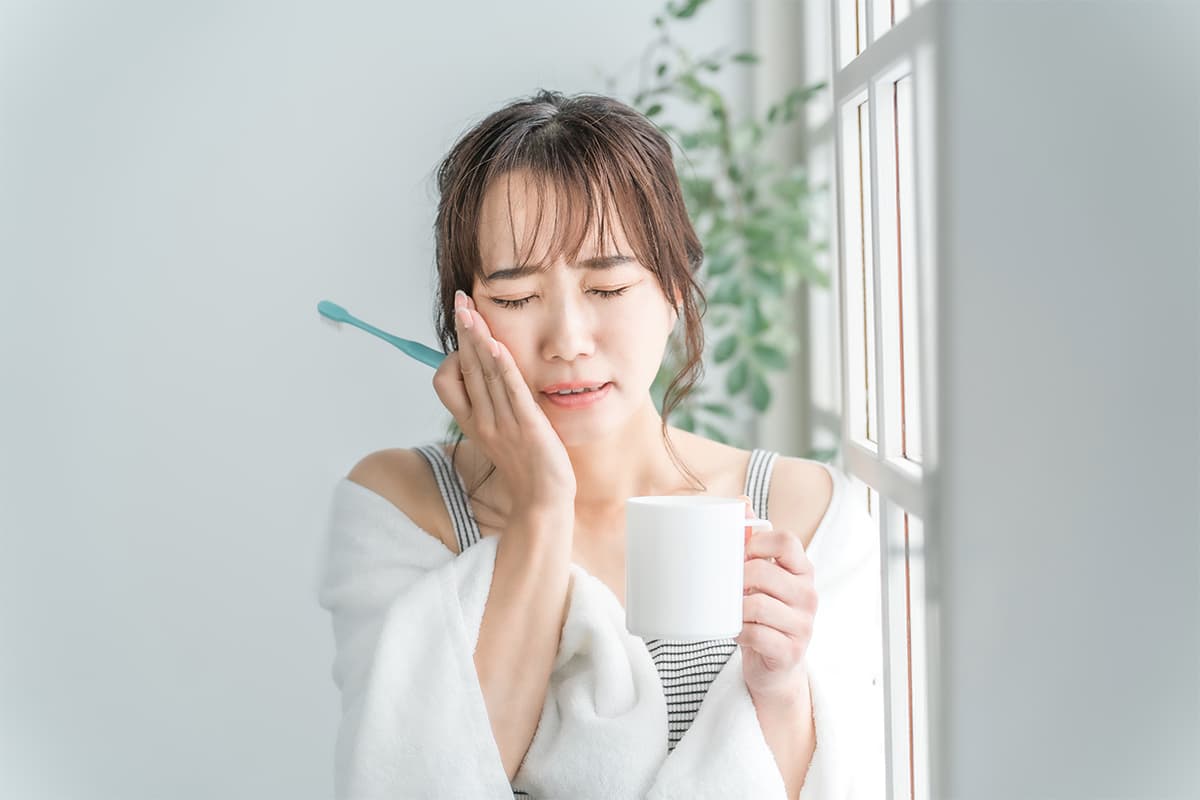
"Will it hurt?" is one of the first questions patients ask about teeth whitening. It's a fair concern — you've probably heard stories about sensitivity or seen dramatic reactions online. Here's the honest truth about what whitening really feels like, answered by dental professionals who perform these treatments every day.
The Short Answer
No, teeth whitening shouldn't hurt. However, some temporary sensitivity is common and completely normal. There's an important difference between discomfort (manageable, temporary sensitivity) and pain (which would indicate a problem).
Most patients describe the experience as comfortable during treatment, with mild sensitivity afterwards that resolves within 24-72 hours.
What Does Whitening Actually Feel Like?
During Professional In-Office Treatment
Most patients report:
- Minimal discomfort during the actual procedure
- A slight warmth from the activation light
- Occasional "zingers" — brief, mild twinges that pass quickly
- Mild pressure from the cheek retractors (not painful)
- Overall, a comfortable experience — many patients relax or even nap
After Professional Treatment
In the hours and days following:
- Sensitivity to temperature — hot and cold foods/drinks may cause brief discomfort
- Occasional zingers — random brief twinges that come and go
- Mild tenderness — teeth may feel slightly sensitive when touched
- Symptoms typically peak at 24 hours and resolve within 48-72 hours
- Rarely lasts more than one week
During At-Home Whitening
With strips or custom trays:
- Usually no sensation during application
- Possible mild sensitivity that builds over the treatment course
- Less intense than in-office due to lower concentrations
- May experience cumulative sensitivity after several days of use
Why Does Sensitivity Happen?
Understanding the cause helps manage expectations:
- Whitening agents penetrate enamel — To reach stains, peroxide must enter the tooth structure
- Tiny tubules open temporarily — Microscopic channels in your teeth become more exposed
- Nerve endings become reactive — Temperature and pressure signals reach the nerve more easily
- Mild dehydration occurs — The whitening process temporarily removes some moisture from teeth
This is all temporary. Your teeth naturally remineralise and the tubules close back up, typically within 24-72 hours.
Common Questions About Whitening Discomfort
Q: Is sensitivity the same as damage?
A: No. Sensitivity is a normal, temporary response to the whitening process. It doesn't indicate damage to your teeth. Professional whitening has been extensively studied and doesn't cause permanent harm to healthy teeth when performed correctly.
Q: Will I definitely experience sensitivity?
A: Not necessarily. About 60% of patients experience some sensitivity, meaning 40% don't notice any discomfort at all. Factors that influence this include your natural tooth sensitivity, enamel thickness, and the specific treatment used.
Q: How bad is the sensitivity really?
A: Usually mild. Most patients describe it as a brief twinge when drinking something cold, not constant pain. On a scale of 1-10, most rate it 2-4 — noticeable but not distressing. Severe pain is uncommon and usually indicates an underlying issue that should have been addressed before whitening.
Q: How long does sensitivity last?
A: Typically 24-72 hours. Most sensitivity resolves within the first day or two. Some patients experience sensitivity for up to a week, but this is less common. If sensitivity persists beyond two weeks, contact your dentist.
Q: Can I take painkillers?
A: Yes. Over-the-counter pain relief like ibuprofen can help if needed. Some patients take it preventatively before treatment or in the hours immediately after. Always follow package directions.
Q: What if I have sensitive teeth already?
A: You can still whiten, but tell your dentist. Pre-existing sensitivity can be managed with:
- Desensitising treatment before whitening
- Lower-concentration whitening products
- Shorter treatment sessions
- Longer intervals between sessions
- Desensitising gel applied after treatment
Many patients with sensitive teeth whiten successfully with proper preparation.
Q: Is professional whitening more painful than at-home?
A: Not necessarily more painful, but sensitivity may be more noticeable. Professional treatments use higher concentrations for faster results, which can mean more pronounced (but still temporary) sensitivity. However, professional treatments also include gum protection and can be customised to minimise discomfort.
Q: Do zingers mean something is wrong?
A: No, zingers are normal. These are brief, sharp twinges that can occur during or after whitening. They're startling but harmless, lasting only seconds. They typically stop within 24 hours of treatment.
Q: Will the sensitivity get worse with each treatment?
A: Not if you space treatments properly. When you wait the recommended time between treatments (typically 6-12 months), your teeth fully recover. Chronic sensitivity is usually a sign of over-whitening or not allowing adequate recovery time.
When Whitening Shouldn't Be Done
Whitening can be painful (not just uncomfortable) if you have:
- Untreated cavities: Whitening gel in decay causes severe pain
- Cracked or chipped teeth: Gel can penetrate and irritate the nerve
- Exposed roots: Roots are more sensitive than enamel
- Active gum disease: Inflamed gums react badly to whitening agents
- Recent dental work: Wait until fully healed
This is why a dental examination before whitening is essential — it identifies issues that could cause pain and addresses them first.
How to Minimise Sensitivity
Follow these tips for a more comfortable whitening experience:
Before Treatment
- Use sensitive toothpaste: Start 2 weeks before whitening
- Get a dental check-up: Address any issues that could cause pain
- Consider a fluoride treatment: Strengthens enamel before whitening
- Take ibuprofen: 30 minutes before treatment if prone to sensitivity
During Treatment
- Communicate with your dentist: Let them know if you feel discomfort
- Request adjustments: Concentration or exposure time can be modified
- Take breaks if needed: With at-home trays, skip a day if sensitivity builds
After Treatment
- Continue sensitive toothpaste: For at least 2 weeks post-treatment
- Avoid temperature extremes: Skip very hot or cold foods for 24-48 hours
- Apply desensitising gel: If provided by your dentist
- Use fluoride mouthwash: Helps remineralise enamel
- Be patient: Sensitivity resolves on its own
Signs Something Is Wrong
While mild sensitivity is normal, contact your dentist if you experience:
- Severe pain: Sharp, intense pain that doesn't subside
- Prolonged sensitivity: Lasting more than 2 weeks
- Gum problems: White patches, bleeding, or severe irritation
- Tooth discolouration: Grey or dark spots appearing
- Pain when biting: Discomfort when chewing
These symptoms may indicate an issue that needs professional attention.
Comparing Discomfort Across Whitening Methods
| Method | During Treatment | After Treatment | Duration |
|---|---|---|---|
| Professional in-office | None to mild zingers | Mild-moderate sensitivity | 24-72 hours |
| Custom take-home trays | None to mild | Mild sensitivity | During use + 24-48 hours |
| OTC whitening strips | None to mild | Mild sensitivity | During course + 24-48 hours |
| Whitening toothpaste | None | None to minimal | N/A |
Real Patient Experiences
Here's what our patients typically say:
"I was nervous about pain, but honestly felt nothing during the treatment. Had some sensitivity to cold drinks that evening, but it was gone by the next morning."
"The zingers caught me off guard at first, but they only lasted a few seconds. Totally worth it for the results."
"I have sensitive teeth normally, so I used sensitive toothpaste for two weeks before. Had minimal sensitivity — much better than I expected."
The Bottom Line
Teeth whitening shouldn't hurt. While temporary sensitivity is common and normal, actual pain is not part of a properly performed whitening treatment. The key factors for a comfortable experience are:
- Proper preparation: Dental check-up, sensitive toothpaste, addressing any existing issues
- Professional treatment: Customised approach, proper gum protection, ability to adjust
- Realistic expectations: Understanding that mild sensitivity is normal and temporary
- Good aftercare: Managing sensitivity with the right products and habits
Don't let fear of pain stop you from achieving a brighter smile. With proper care, whitening is a comfortable process with temporary, manageable sensitivity at worst.
Still have concerns? Book a consultation at our South Kensington clinic. Our expert teeth whitening team will discuss your specific situation, address any worries, and create a treatment plan designed for your comfort.
Disclaimer: This article is for general educational purposes only and is not personalised dental advice. Suitability, risks, and outcomes vary by patient. Teeth whitening is not suitable for under-18s, and no specific result is guaranteed. Always consult a GDC-registered dental professional after a clinical examination. Care Quality Commission (CQC) registration details for our clinics are available on this website.
Ready to Transform Your Smile?
Book your appointment today to discuss treatment options suitable for your smile goals.
Book Now