
If you are considering dental implants to replace missing teeth, understanding the journey ahead is essential. Many patients arrive at our London clinic excited, but also slightly anxious, because they want to know one thing clearly: What exactly will happen from start to finish?
This guide explains the entire implant process so you feel informed, prepared, and confident before taking the next step. From initial consultation and 3D scans to bone healing, crown placement, aftercare, and costs — this breakdown is based on real patients' journeys and clinical standards in the UK.
What are Dental Implants?
Dental implants are replacement tooth roots made from titanium or zirconia. They are placed into the jawbone where the natural tooth once sat. Once healed, an artificial tooth (the crown) is attached, creating a fully functional and natural-looking replacement.
A complete implant typically includes the implant screw, an abutment connector, and a custom-made crown. Together, they function like a natural tooth in appearance, bite strength, and stability. Most people forget they even have an implant once healing is complete.
Because implants integrate with the jawbone, they become part of the body's structure. This is what makes them more stable and longer-lasting than dentures or bridges, and also why the treatment takes several stages rather than a single appointment.
Who Can Receive Dental Implants?
Not everyone is immediately suitable for implants, and that is a good thing — it ensures safety and success. Ideal candidates usually have healthy gums, good oral hygiene, and enough jawbone density to support an implant. Patients who smoke, have untreated gum disease, or have certain medical conditions may still be able to receive implants, but additional planning and consent may be required.
A consultation determines suitability. It is not a commitment to treatment, but an opportunity to understand your options and receive tailored professional advice.
Your First Appointment: Consultation & Clinical Assessment
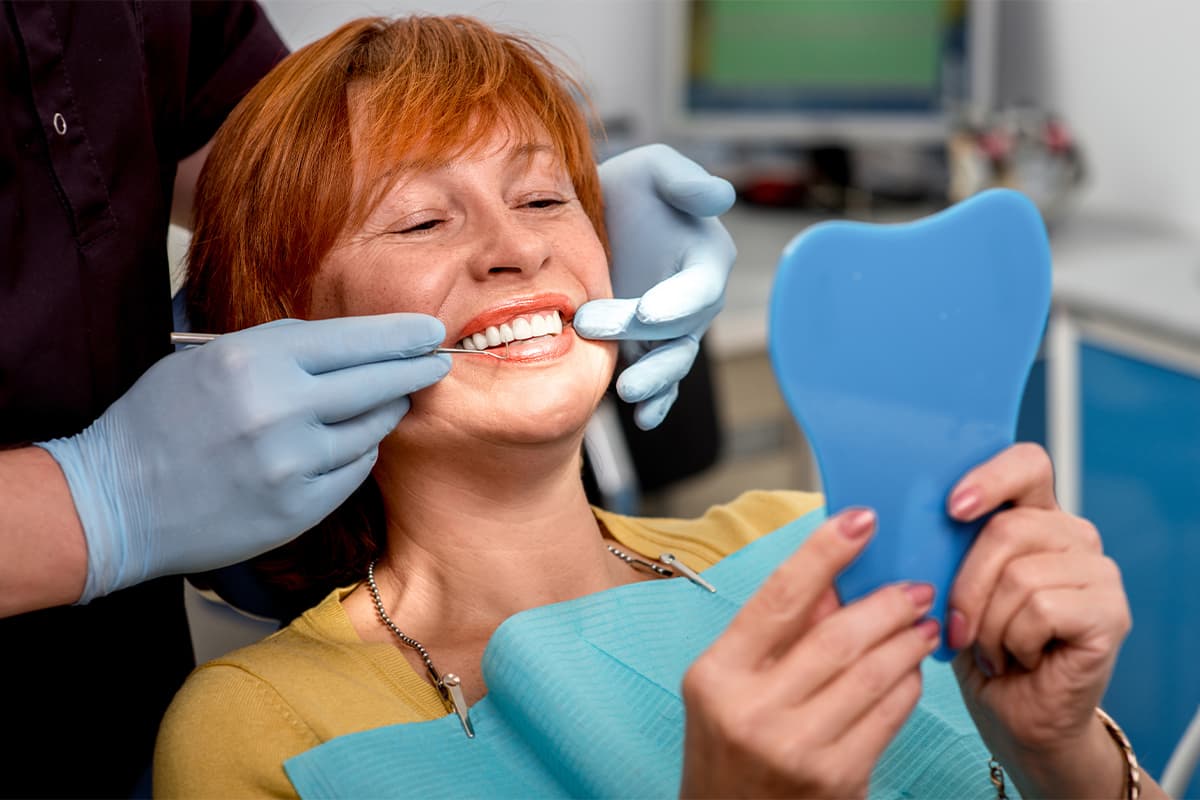
Your first visit is all about clarity. A dentist will examine your teeth, gums, bite, and the area where the tooth is missing. Medical history is reviewed to identify any risk factors. If you have questions about sedation, discomfort, cost decisions, or how soon treatment can start, this is the time to ask.
Digital scans and X-rays may be taken to provide a detailed view of your jawbone and anatomical structures. Most modern implant clinics in London now use digital planning and 3D imaging as standard. This technology helps prevent complications and improves accuracy in placement.
By the end of this consultation, you should receive a proposed treatment plan. It outlines the number of implants required, whether a bone graft is recommended, the estimated timeline, and an itemised quotation.
Planning and Preparation
Once you decide to progress, the planning phase begins. This is one of the most important parts of treatment because successful results are built on precise preparation. If the jawbone has thinned or recessed over time due to missing teeth, you may be advised to undergo bone grafting or a sinus lift. These procedures sound intimidating, but they are routine and aim to rebuild or strengthen the jawbone so it can hold an implant securely.
For some patients, no preparation is needed at all. The implant can be placed as soon as the gum and bone are ready. Everyone's mouth is different, and personalised planning ensures the best long-term outcome.
Step-by-Step Implant Placement
On treatment day, the area is numbed with local anaesthetic. Sedation options may be offered for patients who feel nervous or prefer a calmer experience. A small opening is created in the gum and the implant is inserted into the bone beneath. The site is then closed with dissolvable stitches.
Most patients describe the sensation as pressure rather than pain. The appointment length varies depending on how many implants are placed, but a single implant placement commonly takes under two hours.
Mild swelling and tenderness afterwards are normal. Most people return to work within a couple of days, although it is advisable to avoid strenuous activity during the early healing period.
Healing and Osseointegration
This next stage is crucial. The implant must integrate with the bone; this is known as osseointegration. It creates a biological bond, meaning the implant is held in place internally rather than relying on adhesives or neighbouring teeth.
This healing period typically lasts between eight and sixteen weeks. It may be shorter or longer depending on your bone density, age, medical history, and habits such as smoking. Good oral hygiene and following aftercare advice improve success rates and recovery.
During this stage, patients are usually advised to maintain soft or non-abrasive foods for the first week. Alcohol, smoking, and very hot foods may be discouraged temporarily, as they can slow healing or irritate the site. Many people continue life as normal during this phase, with occasional review appointments to monitor progress.
Attaching the Crown: The Final Stage
Once your dentist confirms stability through examination and X-rays, the final restoration can be fitted. An abutment is placed first, followed by the custom crown.
The crown is designed to match your natural teeth in shade, size, and shape. Care is taken to ensure the bite feels comfortable and the new tooth aligns naturally with the rest of your smile. You should be able to speak, smile, and eat normally shortly after placement.
For many patients, this is the moment they have been waiting for — the return of full confidence.
Advantages of Dental Implants
Although every tooth replacement option has a place in dentistry, implants are widely chosen for their long-term benefits. They feel fixed and realistic, they prevent the jawbone from shrinking, and they offer the ability to enjoy a varied diet without the movement issues associated with removable dentures. Patients often report feeling like they have their natural teeth again.
A key advantage is that implants do not require support from neighbouring teeth. Dentures and bridges often place additional strain on surrounding structures, whereas implants stand independently once integrated.
In summary, dental implants are often preferred because they:
- Look and feel natural
- Help preserve jawbone structure
- Support long-term oral health
Comparing Implants with Dentures and Bridges
Dentures can be an excellent short-term or cost-effective solution, but they may move or feel unstable at times. Bridges are fixed and provide a natural appearance, yet they require support from the neighbouring teeth, which may sometimes involve altering healthy enamel.
Implants, by comparison, act as a standalone replacement. They protect bone health and do not rely on other teeth for strength. This makes them particularly suitable for patients with a single missing tooth or those looking for a more permanent alternative to removable dentures.
Costs, Investment, and Value
The cost of dental implants in London varies, influenced by the number of implants required, the restoration material, and whether additional procedures like bone grafting are needed. On average, a single implant and crown in London may range from £2,000 to £3,500. Full-arch solutions, such as All-on-4 or All-on-6, are more significant investments due to the number of implants and laboratory work involved.
Many clinics offer finance plans or staged payment options. Choosing a clinic should be based on qualifications, clinical standards, and patient support — not just the lowest price. Implants are long-term, and a well-planned treatment prioritises health, stability, and aesthetics.
When comparing costs, consider:
- Experience of the implant dentist
- Technology and imaging included
- Type and brand of implant system
- Aftercare & follow-up appointments
Living with Implants: Everyday Comfort
Once healed, implants behave like natural teeth. You should brush them, floss or use interdental brushes, and attend regular check-ups. They are strong enough to handle normal biting and chewing forces. Some patients say they forget the implant is not a natural tooth because the sensation feels so familiar once integration is complete.
Avoiding habits like chewing ice, opening bottles with teeth, and smoking helps preserve both natural teeth and implants over time.
Long-Term Maintenance
Dental implants can last decades with proper care. Maintenance is straightforward and similar to natural teeth. Brush twice daily, clean around the implant as advised, and attend dental check-ups every six months. Dental Hygienist visits are recommended to protect the surrounding gum tissue.
Healthy implant maintenance typically means:
- Daily brushing and cleaning around the implant
- Routine professional check-ups
- Addressing issues early instead of waiting
Choosing a Dental Implant Clinic in London
When choosing a clinic, prioritise experience, transparent communication, and a team willing to explain each step clearly. Good implant care should feel collaborative, not rushed or confusing.
Patients at our South Kensington clinic appreciate the clear planning, 3D visualisation, and calm approach that allows them to feel in control of their journey. Implant care is not just a technical treatment — it is a long-term relationship between patient and clinic.
If You Are Ready to Start
If you feel prepared to explore dental implants, the next step is a consultation. This will confirm whether implants are suitable for your mouth, health, and budget, and it will give you a personalised understanding of what the treatment might look like for you.
Conclusion
Dental implants are an investment in function, aesthetics, and confidence. They offer a long-term solution that closely replicates natural teeth, but they require planning, healing, and commitment. Understanding the process from the beginning helps remove uncertainty and ensures you start your journey with realistic expectations and clarity.
If you are thinking about restoring your smile, scheduling an assessment may be the most reassuring place to begin. Whether you have one missing tooth or need a full-mouth solution, modern implant dentistry offers options designed around you.
Book your consultation today and take the first step toward a complete, confident smile.
Disclaimer: This article is for general educational purposes only and is not personalised dental advice. Suitability, risks, and outcomes vary by patient. Teeth whitening is not suitable for under-18s, and no specific result is guaranteed. Always consult a GDC-registered dental professional after a clinical examination. Care Quality Commission (CQC) registration details for our clinics are available on this website.
Ready to Transform Your Smile?
Book your appointment today to discuss treatment options suitable for your smile goals.
Book Now