
Introduction
It's a question many people find themselves asking: can I whiten just my front teeth? After all, these are the teeth most visible when you smile, talk, or laugh. It makes sense that you might want to focus your efforts — and your budget — on the teeth that matter most aesthetically.
Many adults in London search for targeted whitening solutions because they've noticed that their front teeth appear stained or discoloured compared to the rest. Perhaps years of coffee, tea, or red wine have left their mark, or maybe natural ageing has dulled what was once a brighter smile. Whatever the reason, wanting to improve the appearance of your front teeth is an entirely reasonable concern.
This article will explore whether it's possible to whiten just your front teeth, how professional teeth whitening works, the science behind tooth colour, and the important factors your dentist would consider before recommending any treatment. Understanding your options can help you have a more informed conversation with your dental professional about what might be suitable for you.
If you've been thinking about whitening your front teeth, professional dental advice is a recommended place to start.
Can You Whiten Just Your Front Teeth?
Yes, it is possible to whiten just your front teeth. Professional teeth whitening treatments can be tailored to target specific teeth, including only the front teeth that are most visible when you smile. Custom-made whitening trays can be designed to apply whitening gel selectively, and in-clinic treatments allow your dentist to focus on particular areas. However, achieving a natural, even result requires careful clinical assessment to ensure the shade of your front teeth blends harmoniously with the rest of your smile.
Why Do People Want to Whiten Only Their Front Teeth?
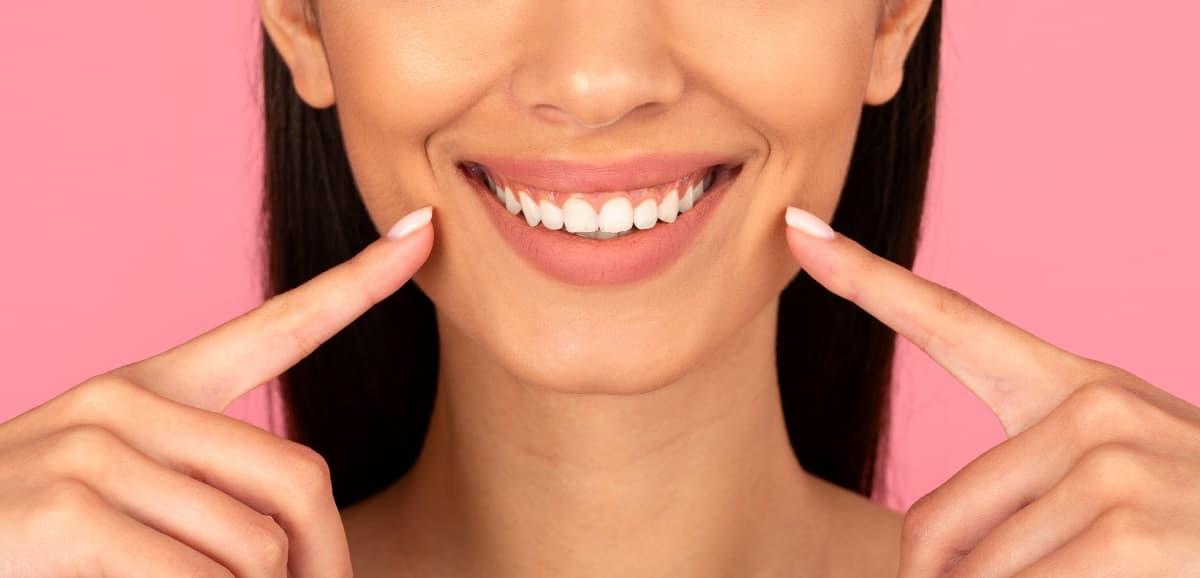
For most people, the motivation to whiten just the front teeth comes down to practicality and aesthetics. The upper and lower front teeth — typically the six teeth visible when smiling — are the ones that make the greatest visual impact. These are sometimes referred to as the "social six."
Common reasons patients consider targeted whitening include:
- Visible staining on front teeth from food, drink, or lifestyle habits
- Budget considerations — focusing on fewer teeth may feel more manageable
- A specific event such as a wedding, job interview, or special occasion
- Uneven colour where front teeth appear darker than surrounding teeth
- Previous dental work such as crowns or veneers on back teeth that won't respond to whitening
It's worth noting that while the desire to whiten only your front teeth is understandable, the overall result depends on how those teeth look in context with the rest of your smile. A dental professional can advise on how to achieve the most natural-looking outcome during a consultation.
How Does Teeth Whitening Work? The Science Behind the Process
To understand whether whitening specific teeth is feasible, it helps to know a little about tooth anatomy and how whitening agents work.
Each tooth is made up of several layers. The outermost layer is enamel, a hard, semi-translucent covering. Beneath the enamel sits dentine, a yellowish tissue that largely determines the natural colour of your tooth. Over time, staining compounds from food, drink, and tobacco can penetrate the enamel and become embedded in the tooth structure.
Professional whitening treatments use hydrogen peroxide or carbamide peroxide as the active ingredient. When applied to the tooth surface, these compounds break down into oxygen molecules that penetrate the enamel and react with the discoloured molecules within. This chemical process, known as oxidation, breaks apart the staining compounds and lightens the appearance of the tooth.
The concentration of the whitening agent, the duration of application, and the method of delivery all influence the result. This is why professional supervision is important — a dentist can control these variables to help achieve a safe and effective outcome tailored to your individual needs.
It's also worth understanding that whitening only affects natural tooth structure. Crowns, veneers, fillings, and bonding material will not change colour with whitening gel, which is a key consideration when planning any treatment.
Professional Whitening Options for Targeting Front Teeth
There are several professional approaches that can allow whitening to be focused on the front teeth specifically.
Custom-Made Whitening Trays
One of the most common methods involves custom whitening trays made from impressions of your teeth. Your dentist can design these trays so that whitening gel is only applied to the front teeth. The trays are worn at home for a prescribed period, and the concentration of the gel is carefully selected by your dental professional.
This approach offers a good degree of control and allows gradual lightening, which can look very natural.
In-Clinic Whitening Treatments
In-clinic whitening allows your dentist to apply a higher-concentration whitening agent directly to the teeth being treated. Protective barriers are placed over the gums and any teeth that don't require whitening. This method offers more precise application and is carried out under direct professional supervision.
Combination Approaches
Some patients benefit from a combination of in-clinic treatment and at-home maintenance. Your dentist can advise on the most appropriate approach based on the degree of discolouration, your oral health, and your goals.
In all cases, the treatment plan should be discussed during a clinical assessment to ensure it is suitable for you.
Factors That Affect Whether Whitening Your Front Teeth Is Suitable
Not everyone is an ideal candidate for teeth whitening, and several clinical factors need to be considered before treatment can begin.
Existing Dental Restorations
If any of your front teeth have fillings, crowns, veneers, or bonding, these restorations will not respond to whitening agents. This can result in an uneven appearance after treatment. Your dentist may discuss options for replacing or adjusting restorations to match your newly whitened teeth if appropriate.
Tooth Sensitivity
Some patients experience increased sensitivity during or after whitening. If you already have sensitive teeth, your dentist may recommend a specific whitening protocol or desensitising treatment to help manage comfort.
Gum Health
Healthy gums are important before beginning any whitening treatment. If gum disease or inflammation is present, this would typically need to be addressed first. Whitening agents applied to unhealthy gum tissue can cause irritation.
Type of Discolouration
Whitening tends to be most effective on extrinsic staining — discolouration caused by external factors such as food, drink, and smoking. Intrinsic staining, which occurs within the tooth structure due to factors such as medication, trauma, or developmental conditions, may respond differently and could require alternative cosmetic approaches.
A thorough dental examination is the most reliable way to understand what type of discolouration you have and which treatment options may be appropriate.
Potential Risks of Whitening Without Professional Guidance
While teeth whitening is generally considered safe when carried out or supervised by a dental professional, there are risks associated with unsupervised or over-the-counter whitening products — particularly when trying to target specific teeth.
Uneven results are one of the most common issues. Without custom-fitted trays or professional application, it can be difficult to ensure that whitening gel is applied consistently to the right teeth. This can lead to patchy or mismatched colour across the smile.
Gum irritation can occur if whitening gel comes into contact with soft tissue, particularly with ill-fitting trays or strips that aren't designed for selective application.
Enamel damage is a concern with products that are used excessively or that contain unregulated concentrations of whitening agents. In the UK, the legal limit for over-the-counter whitening products is 0.1% hydrogen peroxide. Products containing higher concentrations should only be supplied and supervised by a registered dental professional.
Tooth sensitivity may be exacerbated by improper use or overuse of whitening products.
For these reasons, seeking professional advice before beginning any whitening treatment — especially one targeting specific teeth — is an important step in protecting both your oral health and the quality of your results.
When Professional Dental Assessment May Be Needed
There are certain situations where seeking a dental evaluation before whitening is particularly important:
- You have persistent tooth sensitivity — this may indicate an underlying issue such as enamel erosion or exposed dentine that should be assessed first
- Your teeth have visible damage such as chips, cracks, or worn enamel — whitening may not be appropriate until these are addressed
- You notice grey or dark discolouration on a single tooth — this could suggest a previous trauma or changes within the tooth that require investigation
- You have existing restorations on your front teeth — a dentist can advise on how whitening may affect the overall appearance
- Your gums bleed regularly or appear red and swollen — this may indicate gum disease that should be treated before cosmetic procedures
These situations don't necessarily mean whitening is out of the question, but they do highlight the importance of a clinical examination to ensure any treatment is safe and appropriate for your individual circumstances.
If you're unsure whether your teeth are suitable for whitening, a dental consultation is a helpful first step.
Tips for Maintaining Whiter Front Teeth After Treatment
If you do proceed with whitening your front teeth, there are several practical steps that can help maintain the results over time.
- Reduce consumption of staining substances such as coffee, tea, red wine, and dark-coloured sauces, particularly in the first 48 hours after treatment when teeth are more susceptible to absorbing colour
- Avoid smoking or using tobacco products, which are among the most significant contributors to tooth discolouration
- Maintain a good oral hygiene routine — brushing twice daily with fluoride toothpaste and cleaning between your teeth with interdental brushes or floss helps remove surface staining before it builds up
- Attend regular dental check-ups and hygiene appointments — professional cleaning can remove plaque and tartar that contribute to a dull or stained appearance
- Use a whitening toothpaste with care — some can help maintain results, but overly abrasive products may damage enamel over time; ask your dentist for a recommendation
- Consider periodic top-up treatments — your dentist may suggest occasional use of your custom trays to maintain the shade over the long term
Whitening results are not permanent, as teeth will naturally pick up new stains over time. However, with good habits and professional guidance, results can often be maintained for a considerable period.
Key Points to Remember
- It is possible to whiten just your front teeth using custom trays or in-clinic treatments tailored by your dentist
- A clinical assessment is essential before whitening to check your oral health and the type of discolouration present
- Existing restorations such as fillings, crowns, and veneers will not respond to whitening gel
- Professional supervision helps ensure safe, even, and natural-looking results
- Over-the-counter products may not provide the precision needed for targeted whitening and carry additional risks
- Good oral hygiene and lifestyle habits help maintain whitening results over time
Frequently Asked Questions
Is it safe to whiten only certain teeth?
Yes, whitening specific teeth can be safe when the treatment is planned and supervised by a qualified dental professional. Custom-made trays can be designed to apply whitening gel only to the teeth you wish to treat, and in-clinic procedures allow for precise application. The key is ensuring that the process is clinically appropriate for your teeth and gums. Your dentist will assess factors such as enamel health, existing restorations, and gum condition before recommending a treatment plan. Self-administered selective whitening without professional input carries a higher risk of uneven results or irritation.
Will my front teeth match the rest of my smile after whitening?
This is one of the most important considerations when whitening only the front teeth. If your front teeth become significantly lighter than the teeth further back, there may be a noticeable contrast. However, because the back teeth are less visible, many patients find a slight difference acceptable. Your dentist can help plan the level of whitening to achieve a result that looks natural and balanced. In some cases, it may be recommended to include a few additional teeth in the treatment area to create a more seamless transition.
How long does teeth whitening last on front teeth?
The longevity of teeth whitening results varies from person to person and depends on factors such as diet, lifestyle habits, and oral hygiene. Generally, professional whitening results may last from several months to a few years. Front teeth may re-stain more quickly if you regularly consume staining foods and drinks or use tobacco. Periodic top-up treatments using your custom trays can help extend the results. Your dentist can advise on a maintenance schedule that suits your individual needs and lifestyle.
Can I use whitening strips on just my front teeth?
While some over-the-counter whitening strips are designed to cover the front teeth, they do not offer the same precision or effectiveness as professional treatments. Strips may not conform closely to the tooth surface, potentially leading to uneven whitening. They may also come into contact with the gums, causing irritation. Additionally, the concentration of whitening agent in over-the-counter products is much lower than in professional treatments, so results may be limited. For targeted whitening of specific teeth, a professionally supervised approach is generally more reliable.
What if one front tooth is darker than the others?
A single dark or discoloured front tooth may have a different underlying cause than general staining. Previous trauma, root canal treatment, or internal changes within the tooth can lead to intrinsic discolouration that may not respond well to standard whitening. In such cases, your dentist may recommend alternative approaches such as internal bleaching (for root-treated teeth), dental bonding, or a veneer. A clinical examination is important to determine the cause of the discolouration and the most appropriate treatment option.
Is teeth whitening suitable for everyone?
Teeth whitening is not suitable for everyone. It is generally not recommended for children under 18, pregnant or breastfeeding women, or individuals with certain dental conditions such as untreated decay, severe gum disease, or significantly worn enamel. People with numerous restorations on their front teeth may find that whitening creates an uneven appearance. A dental professional will carry out a thorough assessment to determine whether whitening is appropriate and discuss alternative options if needed. Treatment suitability always depends on individual clinical circumstances.
Conclusion
The desire to whiten just your front teeth is a common and understandable one. These are the teeth that define your smile, and targeted whitening can be an effective way to improve their appearance. Whether through custom-made trays or in-clinic procedures, professional teeth whitening offers a controlled and safe approach to achieving the results you're looking for.
However, achieving a natural, balanced outcome requires careful planning. Factors such as existing restorations, the type of discolouration, gum health, and your overall oral condition all play a role in determining the most appropriate approach. This is why a clinical assessment with a qualified dental professional is always the recommended starting point.
If you've been considering whitening your front teeth, taking the time to discuss your options with a dentist can help ensure that your treatment is both safe and suited to your individual needs.
Disclaimer: This article is for general educational purposes only and is not personalised dental advice. Suitability, risks, and outcomes vary by patient. Teeth whitening is not suitable for under-18s, and no specific result is guaranteed. Always consult a GDC-registered dental professional after a clinical examination. Care Quality Commission (CQC) registration details for our clinics are available on this website.
Ready to Transform Your Smile?
Book your appointment today to discuss treatment options suitable for your smile goals.
Book Now